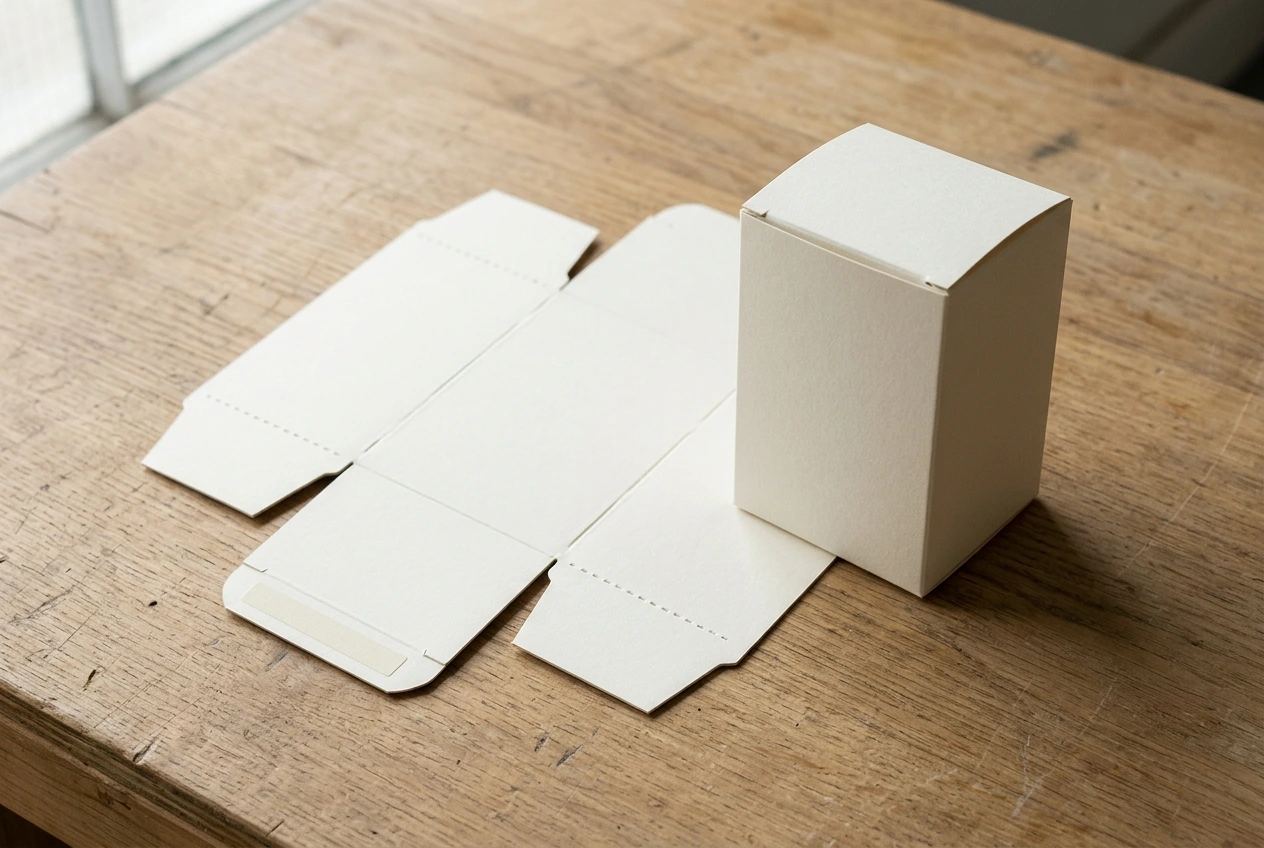
Specify an adhesive dispensing machine by the joint, adhesive and application pattern it must produce. A tank or pump description alone cannot establish that the finished package will bond correctly.
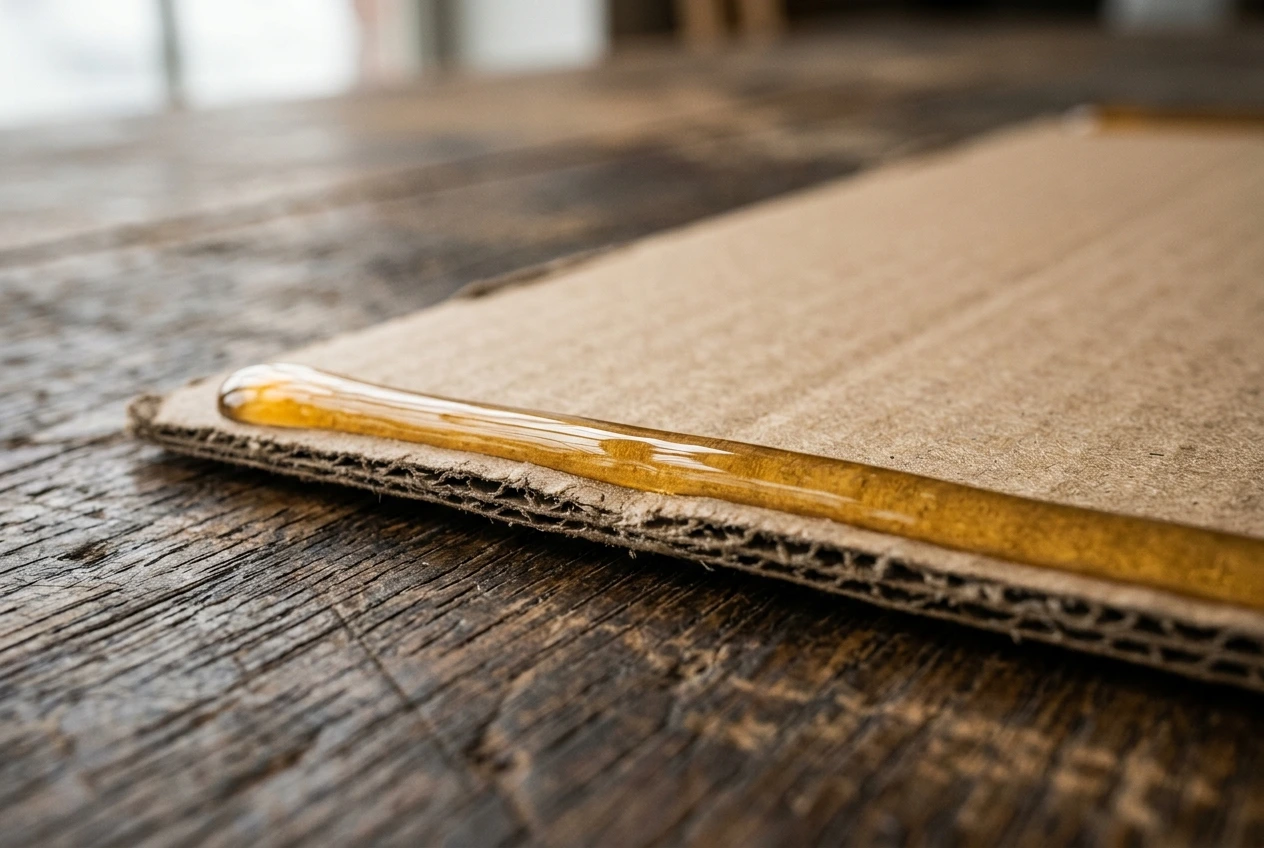
Write the application before selecting the hardware
Describe the package surfaces and the bond area. A narrow side seam, a closing flap and a coated panel require different application questions. Record the adhesive identity, the board or film in contact with it and any coating that lies at the joint. A generic material description such as “cardboard” is too broad for qualifying a specific production combination.
Robatech’s component overview distinguishes melters, cold-glue delivery units, hoses and application heads. It also separates dot or bead jetting from spraying and surface coating. This is a useful functional vocabulary; it is not evidence that every head can process every adhesive.
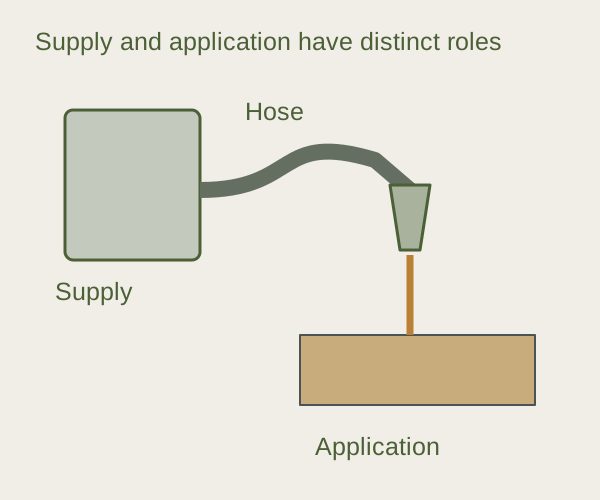
Separate supply, application and package handling
The supply section makes the adhesive available under its required conditions. The application section places it on the package. The package machine controls the relative position, motion and subsequent contact of the surfaces. Treat all of them as part of the application brief, even if different suppliers own them.
For hot melt, identify the required thermal conditions for the selected adhesive throughout the installed path. For cold glue, establish the actual delivery and application requirements with the adhesive and equipment suppliers. Do not assume that a hose, seal or cleaning procedure is interchangeable between the two systems.
Choose an application form around the bond
A dot or intermittent bead can leave separated adhesive deposits. A continuous bead follows a line, and a coating head addresses an area. The intended coverage and final contact determine which form deserves a trial. Reducing adhesive use by changing the pattern is a process change that needs bond validation, even when the machine can generate the new pattern.
Use the following specification record before evaluating a particular model.
| Required input | What to record | Confirmation needed |
|---|---|---|
| Joint | Package drawing, bond area and acceptable squeeze-out boundary | Both surfaces contact the intended deposit |
| Adhesive | Exact grade, current TDS and handling information | Supplier confirms application and component compatibility |
| Material | Actual production stock, coating and lot identifiers | Trials use representative surfaces |
| Pattern | Start/end position and dot, bead or coating requirement | Pattern follows the moving package at relevant speeds |
| Machine connection | Product detection, motion reference and available interfaces | Control ownership and fault behavior agreed |
| Access and care | Approved cleaning and service requirements | Reachable service positions and documented shutdown procedure |
A photograph of a neat bead cannot answer these compatibility questions. Keep the drawing and approved operating envelope with the equipment record.
Verify placement and the resulting joint separately
First inspect whether the adhesive arrives in the intended area with repeatable starts and stops. Then examine what happens after the surfaces meet. H.B. Fuller’s carton-sealing explanation identifies application conditions, substrate conditions, open time and compression as contributors to bonding. Those variables help structure a trial; they do not supply a universal machine setting. See the original case-and-carton guide.
Run the relevant stop and restart conditions as well as steady production. Record the first accepted package and retain any rejected samples with the settings and material identifiers that produced them. A defect on one head calls for a different investigation from a change that affects every joint simultaneously.

Define the integration response before installation
The packaging machine and dispensing system need an agreed response to unavailable adhesive, a missing package or an interrupted cycle. Ask which controller owns the decision to stop application and which packages must be rejected after recovery. A presence signal alone does not prove bond quality; define what each installed monitoring function actually checks.
Keep inspection and maintenance actions within the equipment instructions. This guide does not prescribe pressure release, hot-component service or cleaning chemistry. Those details depend on the selected equipment and adhesive.
Use the packaging gluing machines collection for the wider process, or move to the folder-gluer acceptance guide when the task includes forming a carton blank.
Method and sources
This guide uses Robatech’s component taxonomy, manufacturer carton-sealing guidance and retrieved local dispensing research. The specification record is original editorial guidance. We supply no equipment and have no measured dispensing or bond-test results. Reviewed October 2026.